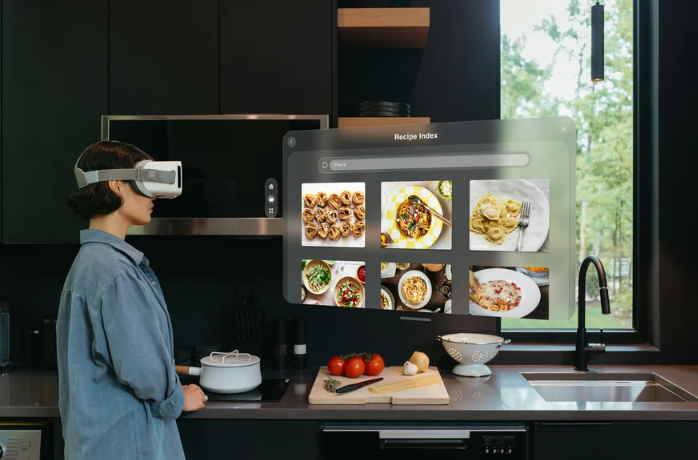

The rise of smart appliances promises hands-free control and data-informed routines for homes. These devices automate tasks, monitor usage, and offer real-time feedback, all while claiming to improve efficiency. Yet questions remain about interoperability, privacy, and long-term costs. Skepticism is warranted as ecosystems lock users into brands and configurations. A clear, practical roadmap is needed to assess real savings and autonomy, or risk a dependence that outpaces genuine benefits. The next steps are worth considering.
What Smart Appliances Do for Modern Homes
Smart appliances integrate into contemporary households by automating routine tasks, monitoring usage, and coordinating operations through connected systems. They alter daily rhythms by enabling remote management, real-time feedback, and standardized interfaces, yet remain subject to reliability questions. A smart oven demonstrates precision cooking potential, while voice control offers hands-free interaction, though it invites concerns about privacy, security, and dependency in autonomous routines.
See also: italytribune
How They Save Energy and Cut Costs
The energy and cost benefits of smart appliances stem from optimized operation, adaptive scheduling, and usage monitoring that enable households to minimize waste. They save energy through real-time energy monitoring, reducing idle consumption and peak demand. Firmware updates refine efficiency features and security, sustaining gains.
Yet savings depend on disciplined use, transparent reporting, and consistent maintenance rather than assumed automatic outcomes.
Choosing the Right Ecosystem for Your Home
Choosing the right ecosystem for a home involves evaluating compatibility, security, and future-proofing rather than relying on brand prestige. A detached assessment emphasizes ecosystem compatibility and device interoperability, avoiding vendor myths.
Skeptical scrutiny reveals layered interoperability challenges, the importance of open standards, and clear governance over updates.
Freedom-minded audiences should demand transparent roadmaps and verifiable protections before committing to any single framework.
Real-World Setups: Design, Security, and Daily Life
This section examines real-world setups through a disciplined lens: how design choices, security measures, and daily routines intersect to shape functional, trustworthy smart-home environments.
The analysis remains precise and skeptical, avoiding hype while acknowledging trade-offs.
Privacy concerns and data ownership appear as central questions, guiding configuration debates, interoperability expectations, and user autonomy, without surrendering efficiency or comfort in pursuit of freedom.
Frequently Asked Questions
How Secure Are Smart Appliances Against Hacking and Data Breaches?
Smart appliances face notable security flaws, though risks vary by device and vendor. They rely on firmware updates to patch issues; neglecting updates leaves systems exposed, undermining user autonomy and security in a skeptical, freedom-seeking audience.
Can Smart Devices Work Without an Internet Connection?
Initially, yes, some smart devices retain offline functionality during internet outages, though capabilities vary; reliance on cloud services often limits performance. Observers remain skeptical about seamless offline operation, stressing that many devices depend on continuous connectivity for full features.
Do Smart Appliances Require Professional Installation or DIY Setup?
The question is answered with skepticism: some smart appliances support DIY setup, others require professional installation. Users should weigh DIY Setup risks against Professional Installation benefits, prioritizing reliability, safety, and freedom to customize while ensuring proper network and device integration.
What Is the Typical Lifespan and Replacement Cycle for Smart Appliances?
Typical lifespan for smart appliances varies, but candidates commonly endure 5–10 years with gradual performance declines. Replacement cycle depends on updates, support, and malfunctions; owners should assess reliability, security, and cost before planning a renewal. Skeptical, precise evaluation.
How Do Privacy Policies Affect Data Collection by Smart Devices?
One in three smart devices transmits data unseen; privacy policies directly shape that data collection. The reader is urged to scrutinize terms, question scope, and demand opt-outs, because precise disclosures enable freedom while quiet collection erodes autonomy.
Conclusion
The allure of smart appliances promises flawless efficiency, yet the ledger rarely balances itself. In truth, these devices labor under your roof with algorithmic zeal, balancing energy metrics against human whim. They whisper optimization while smoothing the rough edges of daily life, only to remind you that control is a delicate fiction. Precision is possible, but skepticism remains vital: every convenience carries data footprints, every routine invites refinement, and every breakthrough asks for durable restraint from its users.

 By
By