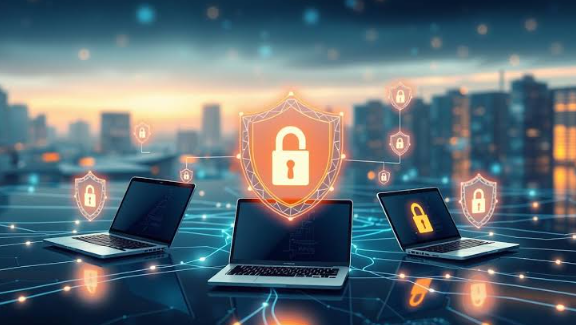

Remote access technology reshapes how work is organized, expanding reach without sacrificing continuity. Its value lies in secure, auditable access that respects least-privilege governance and layered defenses. Decisions balance authentication strength, encryption, and performance against user autonomy. Real-world deployments reveal benefits for distributed teams and edge computing, while future trends point to interoperability and automated security postures. The question remains: how will organizations sustain governance as convenience scales?
What Is Remote Access Really For?
Remote access serves to extend reach beyond physical boundaries, enabling authorized users to interact with distant systems as if they were local.
It clarifies intent: access is for efficiency, collaboration, and continuity.
The analysis weighs practical benefits against security tradeoffs, emphasizing controlled permissions and auditable actions.
Decisions balance convenience with risk, ensuring governance, resilience, and user autonomy while maintaining accountable, transparent remote operations.
See also: italytribune
How Secure Is Remote Access Today?
Security in remote access today hinges on layered defenses and strong governance.
Assessments show ongoing resilience but highlight security flaws in misconfigurations, human error, and legacy tooling.
Authentication methods vary, from passwords to multi-factor schemes, with stronger options reducing risk.
Enterprises emphasize continuous monitoring, least privilege, and rapid incident response to preserve freedom while preserving control over access paths.
Choosing the Right Remote Access Approach
Choosing the right remote access approach requires balancing security, performance, and user needs. Analysts compare remote access models by authentication strength, encryption, and auditing capabilities, then weigh latency and reliability against workforce flexibility. Deployment considerations include scale, maintenance, and compatibility with existing tools. A principled choice promotes autonomy while preserving governance, enabling secure, efficient remote work without sacrificing control.
Real-World Use Cases and Future Trends
Recent real-world deployments illustrate how remote access tools enable distributed teams to maintain productivity while enforcing governance. As organizations scale, remote collaboration becomes an architectural priority, integrating secure access with automation. Trends point to edge computing in latency-sensitive tasks and governance-driven analytics. Future use cases emphasize autonomy, interoperability, and transparent security postures, balancing freedom with accountability across decentralized environments.
Frequently Asked Questions
What Are the Hidden Costs of Remote Access Deployments?
Hidden costs include license fees and maintenance burdens. Implementation risks involve integration complexity and downtime. Privacy concerns arise from data handling and monitoring policies, while employee monitoring may affect trust and morale; balanced governance is essential for freedom-focused organizations.
How Does Remote Access Affect Employee Privacy?
Remote access can constrain employee privacy by enabling monitoring implications; organizations may track activity, location, and device data. This imposes trade-offs between security and autonomy, demanding transparent policies, minimization, and consent to preserve trust and freedom.
Can Remote Access Work Offline or With Intermittent Connectivity?
An impressive 72% of users report offline operation is feasible for basic tasks, yet intermittent connectivity complicates security and updates; remote access can function offline for limited work, but robust performance requires stable, continuous connectivity.
What Compliance Standards Govern Remote Access in Regulated Industries?
Regulators require privacy compliance and robust access governance for remote access in regulated industries, including HIPAA, PCI DSS, and GDPR-adjacent frameworks; entities must implement risk-based controls, continuous monitoring, and auditable policies to ensure lawful, transparent remote work.
How Do You Measure ROI Beyond Cost Savings?
“Money grows on deferred branches.” ROI storytelling reframes value beyond cost, focusing on long-term impact. Adoption metrics quantify usage, engagement, and capability realization, enabling measurement of strategic benefits that justify investments and inform decisions through narrative evidence.
Conclusion
Remote access technologies empower distributed teams to operate with continuity, while layered defenses and least-privilege governance curb risk. As authentication, encryption, and performance scale, organizations gain autonomy without sacrificing control. The path forward blends interoperability, automated posture management, and auditable actions to maintain trust across edge and cloud environments. In a sense, resilience mirrors the adage: slow and steady wins the race—security-by-design, combined with scalable access, keeps remote work robust and ready for evolving business needs.


 By
By